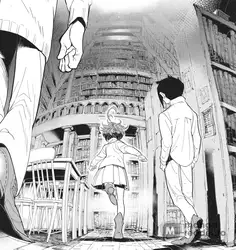
Written on April 7, 2026Chapter 16, towering library
Even just reading the first three chapters alone is enough to make you think of it as a place where people live, where people have stayed, perhaps for decades. It has that historical character that you would only find in those little details, in those scratched corners, and cluttered bookshelves. When you finally get to the gruesome scenes, it feels less a fact and more like a world-building error, not on the author's part, but on the idea that a children's book could ever go so dark, not even in the way of original Cinderella, but in the way only demons from a whole different modernized genre could ever fully capture the essence of. That disruption feels less like waves crashing against a beach or even a tsunami going inland. It feels very much like a distortion of genre, where the full commitment to the environmental storytelling that should have told a completely different story is pitted against something that isn't quite right, something that isn't quite normal, something that lacks the particular qualities that should ever come close to the kind of mind that inhabits a children's story's environmental lens. Artists spend decades of their life inhabiting something that will constrain them their whole life. When the author of The Giving Tree was pushed to make a children's book, you could tell they were not doing so along the lines of "cottage animal anthropomorphism" and contemporary realism, making it less abrupt when it was revealed that he didn't care for it. In contrast, The Promised Neverland's choice to "forget everything else" in their Grace Field House illustration while holding the demons at the back of their mind is sophisticated, refined artistry. This effect makes a lived-in, world-of-its-own quality where the story could have started and ended in Grace Field House without trouble. This makes "the truth of the house" even more properly unnecessary and, by extension, even more compelling.